
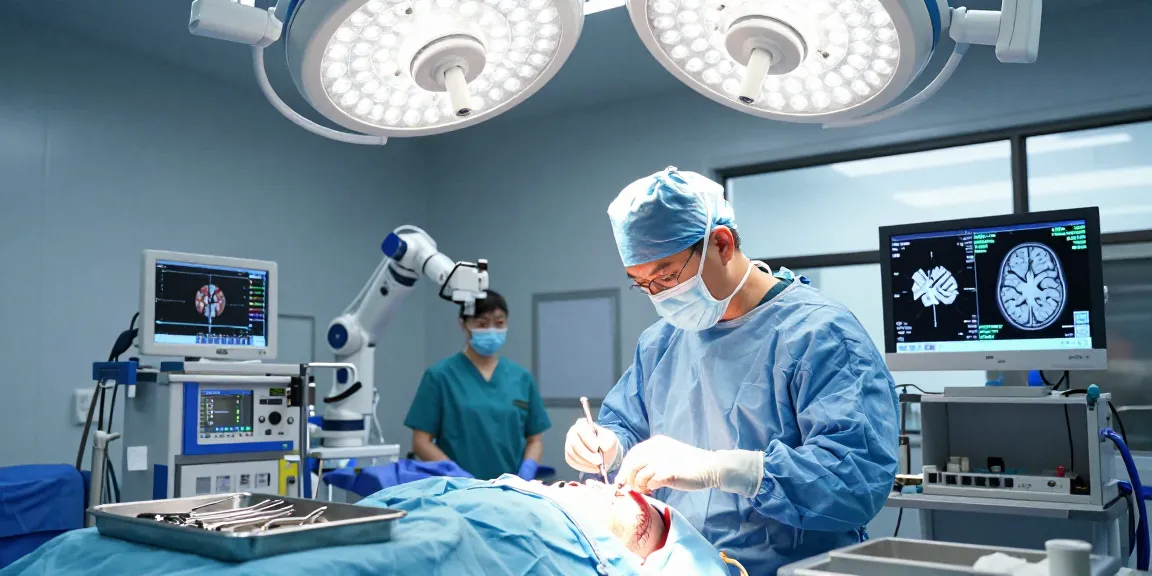
Understanding Beyin Ameliyatı: An Overview
Brain surgery, or Beyin ameliyatı, plays a crucial role in treating various neurological disorders that threaten life and quality of life. Conditions such as brain tumors, hemorrhages, and other critical brain injuries necessitate surgical intervention. With advancements in surgical techniques and technologies, the outcomes of brain surgeries have significantly improved, leading to higher survival rates and better recovery scenarios for patients.
What is Beyin Ameliyatı?
Beyin ameliyatı refers to any surgical procedure performed on the brain to treat medical conditions. This may involve the removal of tumors, repairing aneurysms, or addressing brain hemorrhages. The complexity and risks associated with brain surgery can vary widely depending on the patient's condition, the type of surgery, and the specific techniques employed by the neurosurgeon.
Common Types of Brain Surgery
There are several types of brain surgeries, including:
- Craniotomy: A surgical procedure that involves opening the skull to access the brain for various purposes, such as tumor removal.
- Endoscopic Surgery: A minimally invasive technique that allows access to the brain through small incisions, often used for pituitary tumors.
- Awake Craniotomy: Conducted while the patient is awake to monitor critical brain functions during tumor removal.
- Decompressive Craniectomy: Involves removing a portion of the skull to relieve pressure on the brain.
Indications for Surgery and Patient Eligibility
Eligibility for brain surgery typically depends on various factors, including the type and location of the condition, the patient's overall health, and the potential benefits and risks of the procedure. Hematomas, tumors, and vascular issues like aneurysms or arteriovenous malformations (AVMs) are common conditions that may warrant surgical intervention. A thorough preoperative evaluation, including imaging studies and neurological assessments, is essential to determine the best surgical approach for each patient.
The Surgical Process of Beyin Ameliyatı
Preoperative Assessment and Preparation
Before undergoing any surgery, a comprehensive preoperative assessment is crucial. This often includes:
- A detailed medical history review to identify risk factors.
- Neurological examinations to gauge current cognitive and motor functions.
- Imaging studies, such as MRI or CT scans, to provide detailed images of the brain.
- Blood tests to ensure the patient is fit for anesthesia and surgery.
Patients are also informed about the surgical procedure, potential complications, and recovery expectations to ensure they are adequately prepared.
Innovative Techniques in Brain Surgery
Recent innovations have revolutionized the field of neurosurgery. These advancements enhance the precision and safety of brain surgeries. For example, intraoperative imaging allows surgeons to visualize the brain in real-time during surgery, minimizing damage to healthy tissue. Techniques such as neuronavigation help in precisely locating tumors, while robotic-assisted surgeries enhance dexterity and precision.
Step-by-Step of the Surgical Procedure
During a typical brain surgery procedure, the following steps are generally observed:
- Anesthesia: The patient is given general or local anesthesia, depending on the type of surgery.
- Incision: A precise incision is made in the scalp, and a portion of the skull may be removed (in craniotomy).
- Accessing the Brain: The surgeon carefully navigates to the area of interest, whether it's a tumor or a bleeding site.
- Intervention: The necessary surgical action is performed, like tumor resection or hematoma evacuation.
- Closure: The skull is closed, and the scalp is sutured back together.
Recovery After Beyin Ameliyatı: What to Expect
Initial Recovery in the ICU
Post-surgery, patients are typically monitored in the Intensive Care Unit (ICU) for a period of time. This phase allows medical staff to observe vital signs and neurological status closely. Patients may experience grogginess due to anesthesia and need assistance with basic activities as they wake up from the procedure.
Common Postoperative Symptoms and Management
After brain surgery, it’s common for patients to encounter various symptoms, including:
- Headaches: These are often expected but can be managed with medications.
- Fatigue: Many patients feel an overwhelming sense of tiredness as their body begins the healing process.
- Cognitive changes: Memory lapses or difficulty concentrating may occur temporarily.
Effective pain management and rehabilitation are vital during this phase to facilitate recovery and improve outcomes.
Long-term Recovery Strategies
The pathway to full recovery can vary significantly among individuals. While some may return to normal activities within weeks, others may take several months to a year to fully recuperate. Engagement in physical therapy, cognitive rehabilitation, and regular follow-ups with healthcare providers is crucial for optimizing recovery.
Cost Considerations for Beyin Ameliyatı
Factors Influencing Surgery Costs
The cost of brain surgery can be influenced by several factors, including the complexity of the procedure, the location of the healthcare facility, and whether specialized technology is used. In general, costs can range widely based on these parameters.
Insurance and Financial Assistance for Patients
Insurance coverage significantly affects how much patients will ultimately pay out-of-pocket. Most major insurance plans cover medically necessary brain surgeries, but patients should confirm their specific benefits with insurers. Furthermore, financial assistance programs may be available to help offset costs.
Budgeting for Surgery and Aftercare
Budgeting for brain surgery involves accounting not just for the procedure but also for post-operative care. This can include rehabilitation services, follow-up visits, and medications, which can add to the overall expense.
Future Trends in Beyin Ameliyatı Techniques
Advancements in Neurosurgery Technology
The future of brain surgery is promising, with rapid technological advancements. Techniques such as artificial intelligence for predictive analytics in surgical outcomes and enhanced imaging methods will likely provide even greater precision and safety.
Emerging Treatment Modalities and Techniques
Emerging treatments like focused ultrasound therapy and gene therapy show potential for treating neurological conditions non-invasively or with lesser invasiveness than traditional surgical techniques. Enhanced patient-specific treatment plans will also likely increase as technologies advance.
Patient Outcomes and Evidence-based Approaches
As the field progresses, more focus will be on personalized medicine, where treatments are tailored to an individual’s genetic profile and health history. This could significantly improve outcomes in brain surgery, minimizing risks and maximizing effectiveness.
What is the typical recovery time after Beyin Ameliyatı?
The recovery time after brain surgery can range from several weeks to a year, depending on the type of surgery and the individual’s health.
Are there risks associated with Beyin Ameliyatı?
Yes, like all surgeries, there are risks involved, including infection, bleeding, and neurological complications, which require thorough preoperative assessments.
How do I prepare for my Beyin Ameliyatı?
Preparation involves medical assessments, discussion with your healthcare provider about the procedure, and understanding post-operative care requirements.
What should patients know about costs related to Beyin Ameliyatı?
Patients should be aware of potential costs involved, including surgery and recovery, and check what their insurance covers.
What are the latest innovations in Beyin Ameliyatı?
Innovations such as robotic-assisted surgeries and intraoperative imaging are leading to safer and more effective procedures in neurosurgery.. Additionally, Beyin ameliyatı provides further details.