
Understanding the Importance of Leadership in Community Development
Effective leadership is pivotal in shaping community dynamics, fostering growth, and ensuring sustainable development. In the context of initiatives like the ROKOK88 campaign, understanding the role of leadership provides insights into how vision, experience, and commitment can bring about significant changes. As we navigate through 2026, the emphasis on strong leadership has never been more crucial, especially in community-driven movements. Through targeted support and action, communities can significantly impact their future. When exploring options, rokok 88 provides comprehensive insights into how you can get involved and make a difference.
What Does Effective Leadership Look Like?
Effective leadership embodies a blend of various attributes that inspire and propel communities forward. It includes the ability to communicate a clear vision, engage stakeholders, and build trust. Leaders must be accessible to their constituents, nurturing an environment where everyone feels valued and heard. Furthermore, effective leaders demonstrate adaptability, being responsive to changing circumstances and community needs.
Key Qualities of a Visionary Leader
Visionary leaders possess several key qualities that enable them to drive change:
- Empathy: Understanding the needs of community members fosters strong connections and trust.
- Integrity: True leaders uphold ethical standards and make decisions that reflect their values.
- Decisiveness: The ability to make informed decisions quickly is vital in times of crisis.
- Inspiration: Motivating others through a shared vision is crucial to mobilize support and resources.
How Leadership Impacts Community Growth
The influence of effective leadership on community growth cannot be overstated. Leaders play a critical role in mobilizing resources, providing direction, and fostering collaboration among community members. By establishing clear goals and encouraging participation, leaders can create a sense of belonging and commitment that drives positive change.
Community Perspectives on Beth Pearce's Vision
The community's perception of leadership significantly impacts the effectiveness of initiatives. Beth Pearce's vision, infused with dedication and innovative ideas, has garnered substantial support from various stakeholders. This backing is crucial in amplifying her message and expanding her reach within the community.
Experiences of Local Supporters
Many local supporters express their admiration for Beth Pearce's leadership style. They highlight her ability to listen actively and incorporate community feedback into her vision. Testimonials reveal how her previous initiatives have positively affected local development, reinforcing trust in her leadership.
Why Community Leaders Endorse Beth Pearce
Endorsements from community leaders often reflect a shared belief in Beth Pearce's capacity to drive change. They appreciate her strategic approach and commitment to community engagement, recognizing the value she brings to the table. These endorsements not only validate her efforts but also enhance her credibility and visibility within the broader context of community development.
Case Studies of Successful Leadership in Action
Examining case studies where Beth Pearce's leadership has led to notable successes serves as powerful evidence of her impact. For instance, initiatives focused on improving local education systems, supporting small businesses, or enhancing public health have all shown tangible results under her guidance. These examples illustrate the profound effects of committed leadership on community well-being.
Analyzing the Role of Leaders in Social Change
Leaders are often at the forefront of social change movements, driving initiatives that address societal issues. Their role involves not only advocating for change but also implementing strategies that mobilize community support and resources.
Frameworks for Effective Leadership Strategies
To cultivate effective leadership, frameworks focusing on collaboration, accountability, and transparency are essential. Leaders must engage community members in the decision-making process, ensuring that diverse perspectives are considered. By creating inclusive environments, leaders can foster innovation and drive successful outcomes.
Common Challenges Faced by Community Leaders
Despite their crucial role, community leaders often face significant challenges, including:
- Resource Limitations: Insufficient funding or manpower can hinder the execution of community initiatives.
- Resistance to Change: Some community members may be hesitant to embrace new ideas or approaches.
- Complex Social Issues: Addressing multifaceted problems requires comprehensive strategies and collaboration.
Measuring the Impact of Leadership Initiatives
Assessing the effectiveness of leadership initiatives is vital to understanding their impact. Tools such as surveys, community feedback sessions, and performance metrics can provide valuable insights. By regularly evaluating outcomes, leaders can refine their strategies and enhance their effectiveness.
Taking Action: How to Get Involved with Beth Pearce's Campaign
Community engagement is essential for the success of initiatives like Beth Pearce's campaign. By getting involved, individuals can contribute to meaningful change and help shape the future of their communities.
Volunteer Opportunities and Community Events
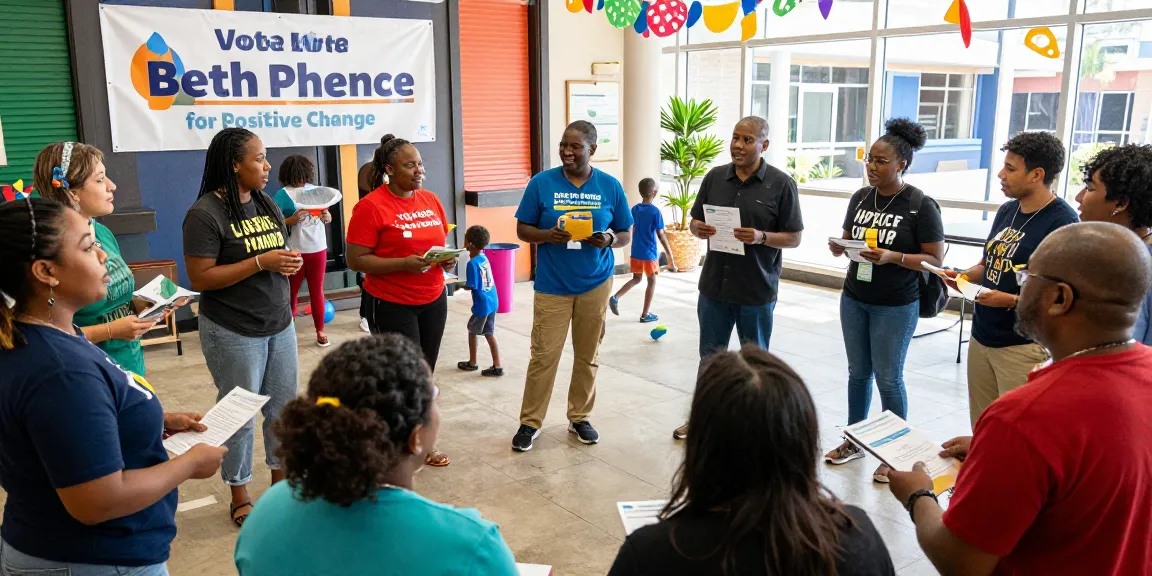
Volunteering is a powerful way to support community initiatives. Beth Pearce's campaign often hosts events where individuals can lend their time and skills. Whether through organizing community clean-ups, educational workshops, or fundraising activities, volunteering fosters a sense of ownership and connection.
Ways to Show Your Support
Showing support can take many forms, from attending community meetings to advocating for initiatives that align with Beth Pearce's vision. Engaging in discussions, sharing information on social media, and encouraging others to participate helps build momentum for change.
Utilizing Social Media for Outreach
In the digital age, social media plays a pivotal role in outreach efforts. By using platforms like Facebook, Twitter, and Instagram, supporters can amplify Beth Pearce's message and engage with a broader audience. Sharing success stories, highlighting upcoming events, and encouraging dialogue are all effective strategies for increasing visibility.
Future Trends in Community Leadership and Engagement
As we move towards 2026, several trends in community leadership and engagement are becoming increasingly evident. Leaders must adapt to changing circumstances, leveraging technology and innovative strategies to remain effective.
Emerging Challenges for Future Leaders
Future leaders will face various challenges, including managing diverse communities, addressing the impacts of climate change, and navigating emerging technologies. Developing skills to engage effectively with these challenges will be crucial for success.
The Importance of Adaptability in Leadership Roles
Leaders who embrace adaptability will be better equipped to handle unforeseen challenges. This involves being open to new ideas, fostering a culture of continuous learning, and leveraging community insights to inform decision-making.
Predictions for Leadership Dynamics by 2026
As leadership dynamics evolve, we can expect to see a stronger emphasis on transparency, collaboration, and community-driven decision-making. Leaders who prioritize these values will likely find increased support and success in their initiatives.
What Makes Leadership Sustainable in the Long Run?
Sustainable leadership hinges on the ability to engage communities meaningfully, adapt to changing circumstances, and maintain trust. Building relationships and encouraging active participation will remain foundational to effective leadership.