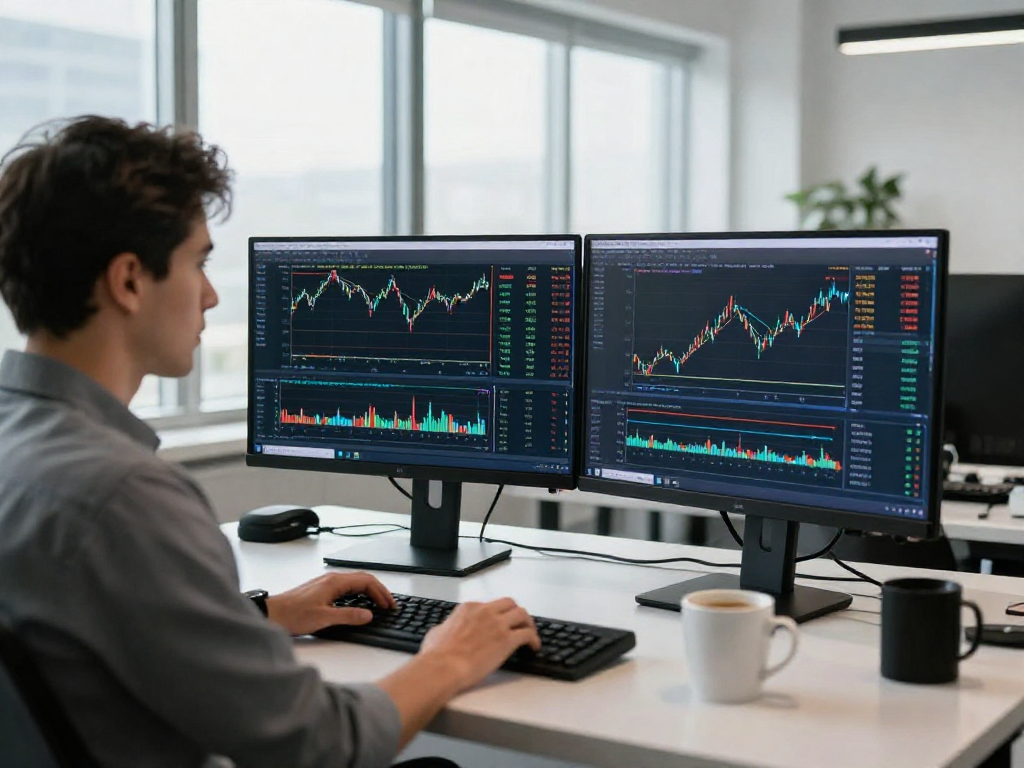

Understanding the HK Stock Backtesting API
The HK stock backtesting API serves as a crucial tool for traders and developers who are looking to enhance their trading strategies by testing their ideas against historical market data. Backtesting allows users to simulate trading strategies using past data, offering insights into their potential effectiveness and profitability. In an increasingly data-driven trading environment, the significance of having access to accurate and timely information cannot be overstated. Without quality data, even the most sophisticated trading strategies can fall short of expectations.
What is a Backtesting API?
A backtesting API allows traders to automate the evaluation of their trading strategies using historical market data. Essentially, it gives users the capability to simulate trades based on past price movements, volume, and other relevant market signals. This process is critical as it enables traders to test whether their strategies would have been profitable in real-world scenarios without risking actual capital.
The Importance of Real-Time Data in Backtesting
In backtesting, the use of real-time data is paramount. While historical data is essential for testing, integrating real-time data can significantly enhance the accuracy of the simulations. Real-time feeds allow traders to understand current market dynamics and can lead to better adaptation of strategies when market conditions change. Accessing live data feeds is essential for those looking to deploy algorithms that react swiftly to market changes.
How the HK Stock Backtesting API Works
The HK stock backtesting API provides developers with real-time and historical data from the Hong Kong stock market. This API is designed to feed quantitative models and trading systems with the necessary data to conduct thorough backtesting. By leveraging WebSocket and RESTful API protocols, users can seamlessly integrate this data into their applications, allowing for efficient testing of various trading hypotheses and strategies.
Common Challenges with Backtesting in the HK Market
While backtesting can be a powerful tool, it is not without its challenges, especially within the Hong Kong stock market context. Understanding these challenges is essential for developers and institutional traders alike.
Data Quality and Accuracy Issues
Data quality is perhaps the most significant challenge when it comes to backtesting. Traders often contend with issues such as incomplete datasets, erroneous price movements, and discrepancies between various data sources. To achieve reliable backtesting results, it’s imperative to utilize high-quality data from reputable providers. When historical data lacks accuracy, the strategies built on this foundation will likely yield misleading results.
Integrating Multiple Data Sources
For many traders, particularly those who wish to perform comprehensive analysis, integrating multiple data feeds can be daunting. The need to aggregate and synchronize data from different exchanges, especially in a complex market like Hong Kong's, adds layers of difficulty. This integration requires advanced technical skills and tools to ensure that the data flows seamlessly into the trading algorithms.
Time Management in Strategy Development
Effective backtesting requires significant time investment. Developers must allocate time for strategy formulation, data collection, actual backtesting, and result analysis. Rushing any of these processes can lead to hasty conclusions and potentially flawed trading strategies. Therefore, proper time management is critical in ensuring that the backtesting process is thorough and methodical.
Best Practices for Using the HK Stock Backtesting API
To maximize the effectiveness of backtesting with the HK stock backtesting API, traders should adopt several best practices that enhance the quality and reliability of their backtesting efforts.
Setting Up Your Trading Environment
First and foremost, creating an efficient trading environment is essential. This includes ensuring that you have the right tools and technologies in place, such as data visualization software, backtesting platforms, and programming environments. A well-structured environment allows for smoother integration of the API and ensures that you can quickly iterate on your strategies.
Optimizing Backtesting Parameters
Parameter optimization is another critical aspect of successful backtesting. Traders need to experiment with various parameters to find the combination that yields the best results. This process can include adjusting risk thresholds, stop-loss orders, and entry/exit criteria. Utilizing robust statistical techniques for optimization can further enhance the performance of the trading strategy.
Analyzing Results Effectively
After backtesting, the next step is to analyze the results comprehensively. This involves looking beyond simple profit and loss figures to assess key performance metrics like the Sharpe ratio, maximum drawdown, and win/loss ratios. A thorough analysis will provide insights into the strengths and weaknesses of the strategy and help in refining it for future use.
Case Studies: Success Stories with the HK Stock Backtesting API
Real-world applications of the HK stock backtesting API are abundant, with numerous traders and institutions achieving success through innovative strategies grounded in thorough backtesting.
Institutional Use Cases in Quantitative Trading
One notable case includes a leading hedge fund that utilized the HK stock backtesting API to develop a market-neutral strategy based on statistical arbitrage. By systematically analyzing historical price correlations, the fund was able to identify profitable trading opportunities with minimal risk exposure. This strategy significantly improved their Sharpe ratio and overall returns.
Independent Developers Achieving Success
Independent developers have also leveraged the HK stock backtesting API to create successful trading bots. For example, a developer created a momentum-based trading robot that capitalizes on trending stocks by using historical price action data, alongside real-time feeds. After rigorous backtesting, the bot was deployed and has consistently outperformed the market benchmarks, illustrating the efficacy of the backtesting process.
Lessons Learned from Real-World Applications
Many of these success stories underline the importance of rigorous testing and data integrity. They show that the effectiveness of a trading strategy often hinges on the quality of the underlying data used in backtesting. Moreover, continuous learning and adaptation based on backtesting results are vital for maintaining competitive advantages in the fast-paced financial markets.
Future Trends in API Development and Market Data
As we move into 2026, several emerging trends are poised to shape the future of backtesting and market data APIs.
Emerging Technologies in Fintech for 2026
Advancements in technologies such as blockchain, cloud computing, and Internet of Things (IoT) are expected to revolutionize the fintech landscape. These innovations will likely enhance data accessibility and security while providing traders with more comprehensive datasets for backtesting and strategy development.
The Role of AI and Machine Learning in Backtesting
Artificial intelligence and machine learning are set to play significant roles in refining backtesting processes. These technologies can analyze vast datasets far more efficiently than traditional methods, identifying patterns and insights that human traders may overlook. This means that traders can develop more sophisticated models and adapt their strategies in real-time based on predictive analytics.
Preparing for Regulatory Changes in Market Data
Traders and institutions must also stay informed about regulatory changes impacting data usage and trading practices. As markets evolve, compliance becomes increasingly important, especially in jurisdictions with strict financial regulations like Hong Kong. Staying abreast of these changes will ensure that strategies remain viable and within legal frameworks.
What is backtesting and why is it important?
Backtesting is the process of testing a trading strategy on historical data to determine its viability before applying it in the market. It allows traders to see how their strategies would have performed in the past, providing insights that can be critical for success in future trading.
How can the HK stock backtesting API improve trading outcomes?
The HK stock backtesting API enhances trading outcomes by providing accurate historical and real-time market data. With reliable data, traders can refine their strategies, test different scenarios, and make informed decisions based on empirical evidence.
What are the key features of an effective backtesting API?
Key features include comprehensive data coverage, easy integration capabilities, support for multiple programming languages, and robust analytical tools. The most effective backtesting APIs enable users to simulate various trading scenarios quickly and efficiently.
Are there limitations to using the HK stock backtesting API?
While powerful, the HK stock backtesting API may have limitations related to data latency, access restrictions, or potential inaccuracies in historical data. Understanding these limitations is crucial for traders to manage expectations and refine their strategies accordingly.
How do I choose the right API for my trading strategy?
When selecting an API, traders should consider factors such as data quality, ease of use, cost, and the specific features that align with their trading goals. Moreover, examining user reviews and case studies can provide additional insights into the effectiveness of the API in real-world applications.