Understanding Lyophilisation Peptides and Their Importance
In the realm of biotechnology and pharmaceuticals, lyophilisation peptides play an essential role due to their capacity for stability, purity, and reliability in research. Peptides are vital molecules consisting of chains of amino acids that can be integral to therapeutic developments, diagnostics, and biological research. However, the stability of these peptides is heavily influenced by storage conditions, particularly temperature. Understanding the intricate details of peptide stability can significantly enhance laboratory protocols and research outcomes. This article delves into the critical aspects of lyophilized peptide storage, highlighting best practices for maintaining peptide integrity over time.
When exploring options, lyophilisation peptides provide comprehensive insights into maintaining the viability and functionality of these crucial compounds.
What are Lyophilisation Peptides?
Lyophilisation, or freeze-drying, is a process used to preserve peptides by removing water content without affecting their structural integrity. During this process, peptides are frozen and then subjected to a vacuum that converts the ice directly into vapor. The result is a dry, stable form of the peptide, which can be stored for extended periods without fear of degradation. This stability is essential not only for long-term storage but also for research applications where precision and accuracy are critical.
The Role of Temperature in Peptide Stability
The stability of lyophilized peptides is predominantly influenced by temperature. At higher temperatures, peptides can undergo denaturation, hydrolysis, or oxidation, leading to a loss of functionality. Conversely, low temperatures can slow down these degradation processes. Therefore, maintaining the correct storage temperature is fundamental for preserving peptide integrity.
Common Misconceptions about Peptide Storage
One prevalent misconception in peptide storage is that all lyophilized peptides can be stored indefinitely at room temperature without adverse effects. This is incorrect; while lyophilized peptides are more stable than their reconstituted counterparts, they are still vulnerable to environmental factors like light, moisture, and temperature fluctuations. A robust understanding of storage protocols will help mitigate these risks and enhance the longevity of research materials.
Essential Temperature Protocols for Lyophisation Peptides
Implementing strict temperature protocols is crucial for maintaining the quality of lyophilized peptides. Below, we will elucidate the best practices for safe storage.
Storing Lyophilisation Peptides at -20 °C
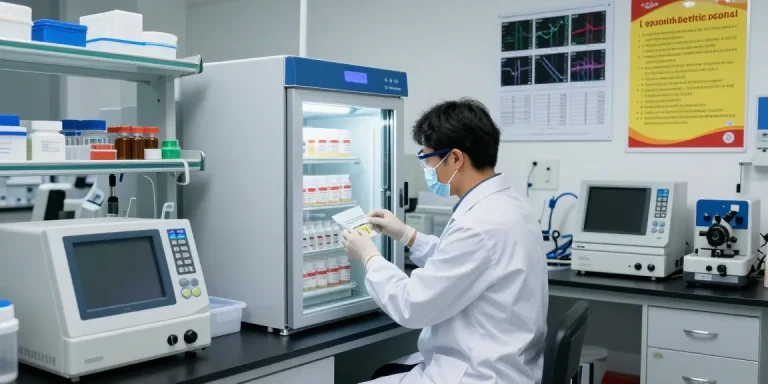
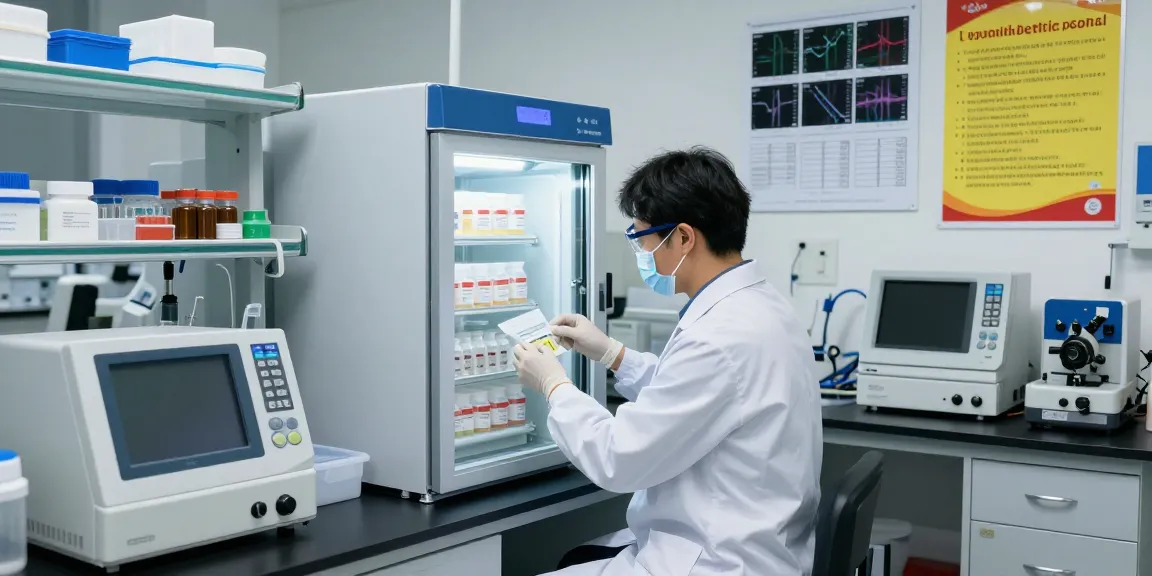
The standard practice for long-term storage of lyophilized peptides is at -20 °C. At this temperature, peptide degradation reactions slow significantly, allowing vials to remain stable for extended periods. Thermo Fisher recommends that newly received lyophilized peptides be promptly placed in a -20 °C freezer, where they can remain stable for several years, depending on peptide sequence and handling conditions.
Utilizing -80 °C for Sensitive Peptide Sequences
For particularly sensitive peptide sequences, such as those containing methionine or cysteine, storage at -80 °C is advisable. This ultra-low temperature provides an additional layer of protection against degradation and is especially beneficial for rare or high-value peptides that require longer research timelines. However, it’s imperative to ensure that vials remain sealed and dry to prevent moisture absorption.
Impact of Temperature Fluctuations on Peptide Integrity
Temperature fluctuations can pose a significant risk to peptide integrity. Exposure to warmer conditions can lead to accelerated degradation processes. Therefore, it is essential to maintain a consistent temperature environment and avoid frequent opening of storage units, which can introduce warm air and humidity. A stable storage environment is key to ensuring that peptides retain their efficacy and reliability for research applications.
Protecting Lyophisation Peptides from Environmental Threats
Environmental factors can heavily influence the stability of lyophilized peptides. The following sections outline key protection strategies.
Moisture Control Techniques
Moisture is one of the biggest adversaries of lyophilized peptide storage. Even though peptides are freeze-dried, exposure to ambient air can lead to moisture absorption, resulting in hydrolysis. To prevent this, always allow frozen vials to reach room temperature before opening. This practice helps mitigate condensation formation within the vial, protecting the peptide powder from potential damage.
Light Sensitivity and Its Effects on Peptide Solutions
Many peptides are sensitive to light exposure, which can lead to degradation and loss of functionality. To safeguard peptides, store vials in opaque containers, such as amber bottles or dark bags, that protect against light. Avoid direct sunlight and strong artificial light sources to preserve the quality of the peptides.
Best Practices to Keep Vials Sealed and Secure
Sealing vials until use is key to maintaining peptide stability. Once opened, peptides should be resealed promptly and returned to cold storage. When multiple access points are necessary, it’s advisable to aliquot peptides into smaller volumes, reducing exposure to air and moisture. This practice minimizes the risk of contamination and degradation.
Handling Reconstituted Lyophisation Peptides
Once reconstituted, peptides become less stable than their lyophilized forms. Proper handling is critical to preserving their functionality.
Storing Reconstituted Peptides at +2 to +8 °C
Reconstituted peptides are best stored in a refrigerator at temperatures between +2 °C and +8 °C. This temperature range typically allows for a shelf life of 14 to 28 days, depending on individual peptide characteristics, solvent choice, and concentration. For longer-term use, aliquoting should be utilized to ensure stability and minimize degradation risks.
Avoiding Freeze-Thaw Cycles for Optimal Stability
Repeated freeze-thaw cycles can compromise peptide integrity, as each cycle exposes peptides to temperature-induced stress. To optimize stability, it’s recommended to divide the reconstituted peptides into single-use volumes before freezing. This strategy aids in maintaining peptide viability for longer periods, extending usability beyond the initial 28-day window under refrigeration.
Choosing the Right Solvent: Bacteriostatic Water vs Sterile Water
When reconstituting peptides, the choice of solvent plays a pivotal role. Bacteriostatic water, which contains 0.9% benzyl alcohol, is often preferred for its ability to limit microbial growth post-penetration. In contrast, sterile water is suitable for single-use protocols but requires stringent contamination controls due to the absence of preservatives. The choice between the two solvents hinges on the intended research applications and storage requirements.
Future Trends in Peptide Research and Storage Practices
The field of peptide research is rapidly evolving, and so are the storage practices surrounding it. Keeping abreast of trends can enhance laboratory protocols and outcomes.
Advancements in Lyophilisation Technologies by 2026
Looking forward, advancements in lyophilisation technologies are anticipated to improve efficiency and stability. Innovations such as controlled nucleation and optimized drying protocols promise to enhance the quality of lyophilized products, potentially reducing the need for ultra-cold storage conditions.
Emerging Best Practices in Peptide Storage
As research progresses, best practices are continuously evolving. The integration of smart storage solutions that monitor humidity and temperature in real-time could revolutionize peptide storage, providing scientists with the tools to maintain optimal conditions effortlessly.
Expert Insights on Future Challenges and Solutions
Future challenges for peptide storage may revolve around maintaining stability in more complex formulations and addressing the needs of personalized medicine. Collaboration between research institutions and technology providers will be crucial in developing solutions that advance peptide research while ensuring safety and efficacy.
What is the best temperature for storing lyophilisation peptides?
The best temperature for long-term storage of lyophilisation peptides is generally -20 °C. However, for sensitive sequences, -80 °C is advisable to ensure maximal stability.
How to prevent moisture damage in lyophilisation peptides?
Prevent moisture damage by keeping vials sealed until use, allowing frozen vials to reach room temperature before opening, and considering moisture-absorbing agents in storage environments.
Why is light protection crucial for lyophilisation peptides?
Light protection is crucial as certain peptides are light-sensitive and can degrade upon exposure. Using opaque or dark containers helps mitigate this risk.
How long can lyophilisation peptides be stored at -20 °C?
When stored at -20 °C, lyophilisation peptides can remain stable for several years, depending on the specific sequence and handling conditions.
What are the risks of repeated freeze-thaw cycles?
Repeated freeze-thaw cycles can damage peptides by exposing them to temperature stress, increasing the risk of degradation and affecting their performance in research applications.
About the Author