Understanding the Essence of Modern Theatre
Modern theatre is an evolving art form that reflects contemporary societal trends, embracing elements from various disciplines of performance art. At its core, modern theatre seeks to challenge traditional narratives and explore innovative ways of storytelling. As audiences become more diverse and technology-driven, the essence of theatre adapts, creating a dynamic environment where creativity flourishes. For those passionate about the theatrical arts, the platform rokok 88 offers a wealth of information on these modern developments.
What is Modern Theatre?
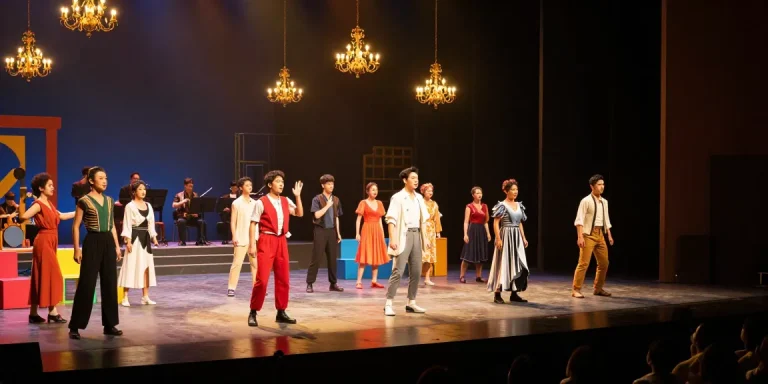
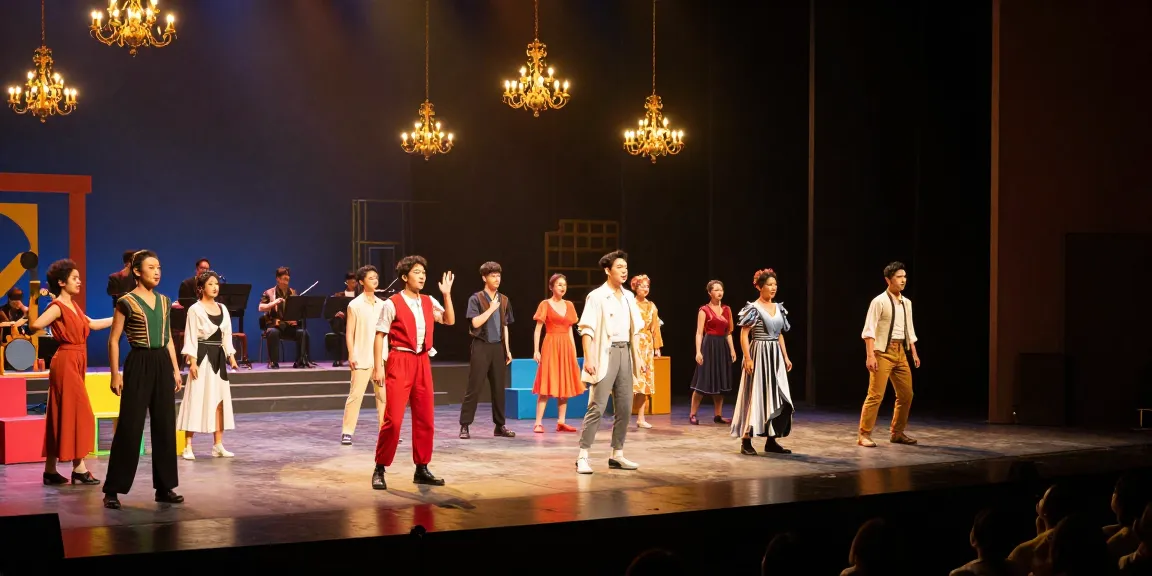
Modern theatre encompasses a wide range of performance styles that emerged primarily in the late 19th and 20th centuries, responding to changes in society, culture, and technology. It represents a shift away from classical forms of theatre, such as Greek tragedy and Shakespearean plays, towards more experimental and inclusive forms. The biggest hallmark of modern theatre is its diversity in themes, narratives, and presentation styles, often blurring the lines between genres.
Key Elements of Modern Performance Art
The key elements of modern performance art include:
- Interactivity: Many modern performances invite audience participation, breaking the fourth wall and creating unique experiences.
- Multimedia Integration: The incorporation of technology, such as projection, soundscapes, and digital backdrop designs, enhances the storytelling experience.
- Diverse Narratives: Modern theatre often explores themes of identity, politics, and social issues, reflecting the complexities of contemporary life.
- Physicality and Movement: Dance and movement play a crucial role in conveying emotions and narratives beyond spoken words.
The Role of Technology in Today’s Theatre
Technology has revolutionized modern theatre, allowing for more innovative and engaging presentations. Lighting effects, sound design, and digital enhancements can transform performances, making them more immersive for audiences. Virtual and augmented reality are also emerging tools, providing unique ways to experience theatre. The use of social media platforms has facilitated discussions around performances, increasing engagement and broadening audience reach.
Diving into Popular Culture and Its Influence
Popular culture significantly influences modern theatre, with many productions drawing from films, music, and other contemporary art forms. This blending of genres creates a richer tapestry of storytelling that resonates with today’s audiences.
The Impact of Social Media on Theatre Trends
Social media has emerged as a powerful tool for promoting theatre productions and engaging with audiences. Platforms like Instagram and TikTok enable artists to showcase their work, share behind-the-scenes content, and connect directly with fans. This direct line of communication can transform audience engagement, allowing for a more interactive experience. Additionally, viral trends often impact casting choices and thematic directions in productions, making it essential for theatre companies to stay relevant.
Connecting with Audiences: The New Norms
In the post-pandemic world, theatre companies have adapted to changing audience expectations by embracing hybrid performance models that combine live and virtual experiences. These models not only expand accessibility to a broader audience but also provide opportunities for innovative storytelling methods, creating a new norm in theatre engagement.
Case Studies: Successful Modern Theatre Productions
Several modern productions have successfully incorporated elements of popular culture and technology, setting trends for the industry. For example, the musical adaptation of “Hamilton” combined hip-hop, R&B, and traditional Broadway styles to tell the story of America’s founding fathers in a relatable and engaging way. Another notable example is the immersive theatre experience “Sleep No More,” which uses site-specific performance and audience interaction to reimagine Shakespeare’s “Macbeth,” creating a unique engagement with the audience.
Challenges Facing the Theatre Industry Today
Despite its vibrant evolution, the theatre industry faces numerous challenges that require innovative solutions to thrive in the modern landscape.
Adapting to Digital Transformation
The rapid advancement of digital technologies poses a challenge for traditional theatre companies to adapt to new modes of consumption. While streaming performances have gained popularity, the tension between live experiences and digital adaptations creates a complex landscape for producers and artists.
Financial Realities: Funding and Sponsorship
Securing funding and sponsorship remains a significant hurdle for many theatre companies. With the decline in traditional funding sources, companies are increasingly seeking innovative partnerships and alternative revenue streams, including crowdfunding and merchandise sales, to sustain their operations.
Audience Engagement in a Post-Pandemic World
The pandemic has fundamentally changed audience behaviors and expectations. Engaging audiences who have grown accustomed to digital content requires theatre companies to rethink their approaches, ensuring performances are both accessible and compelling.
Best Practices for Aspiring Artists and Creatives
The landscape of modern theatre presents unique opportunities, but also challenges that require resilience, creativity, and strategic thinking from emerging artists.
Crafting Compelling Narratives
A successful modern theatre piece hinges on the ability to craft compelling, relevant narratives that resonate with audiences. Artists should focus on creating authentic characters and relatable stories, exploring diverse perspectives that reflect contemporary society.
Collaboration Techniques for Creative Success
Collaboration is vital in the theatre industry, where multidisciplinary teams come together to create cohesive works. Emerging artists should embrace collaborative processes, seeking input from various disciplines—such as writers, directors, designers, and actors—to enhance their creative output.
Utilizing Feedback to Enhance Performance Quality
Feedback can serve as a crucial tool for growth. Artists should actively seek constructive criticism from peers and audiences alike, using this input to refine their performances and improve overall quality.
Future Trends in Theatre and Entertainment for 2026
As we look toward the future, several emerging trends are poised to shape the landscape of theatre and entertainment in the coming years.
Emerging Technologies Shaping Performances
Technological advancements such as artificial intelligence, virtual reality, and interactive experiences will continue to influence how stories are told in theatre. These technologies will allow for more immersive and personalized performances, enhancing audience engagement.
Shifts in Audience Demographics and Interests
As societal demographics shift, so too will the interests of theatre audiences. Understanding and responding to these changes will be crucial for theatre companies to remain relevant and appealing to a diverse audience.
Innovative Approaches to Theatre Marketing
Marketing strategies for theatre productions are evolving, with a strong emphasis on digital marketing and social media engagement. Innovative approaches, including experiential marketing events and online content creation, can help draw in new audiences.
What is the Role of Streaming in Future Theatre?
Streaming will likely become a staple in the theatre industry, providing additional revenue streams and expanding access to performances. As hybrid models become more prevalent, striking a balance between live and digital offerings will be crucial for reaching and retaining audiences.
About the Author